Fired Because of AI, Hired to Clean Up After It
Last week I was approving new listings on my job board when I stopped on one posting and read it three times. It was a senior Node.js role from a mid-sized US company. Nothing unusual about the stack.
Three weeks ago I was approving a job posting for a senior TypeScript engineer at an AI infrastructure startup. The salary was $280,000. The role was fully remote. The stack was things I recognize: Node.js, React, TypeScript, PostgreSQL. But buried in the requirements, after the usual list of frameworks and years of experience, was a single line that stopped me: "Experience orchestrating multi-agent AI systems and managing autonomous development loops required."
Microsoft just shipped the TypeScript 7.0 RC. Compiler rewritten in Go. 10x faster builds. But the part nobody's talking about is what breaks in migration and what it means for your next technical interview.
Sam Altman, the CEO of OpenAI, the person who spent the last three years telling the world that AI would eliminate entire categories of white-collar work, stood in front of an audience at a banking conference in Sydney and said something nobody expected: he was wrong.
A developer from Eastern Europe emailed me last week. She had been about to apply to a job posting titled Junior Frontend Developer. The salary was modest, maybe one third of what a senior London or Berlin offer would pay.
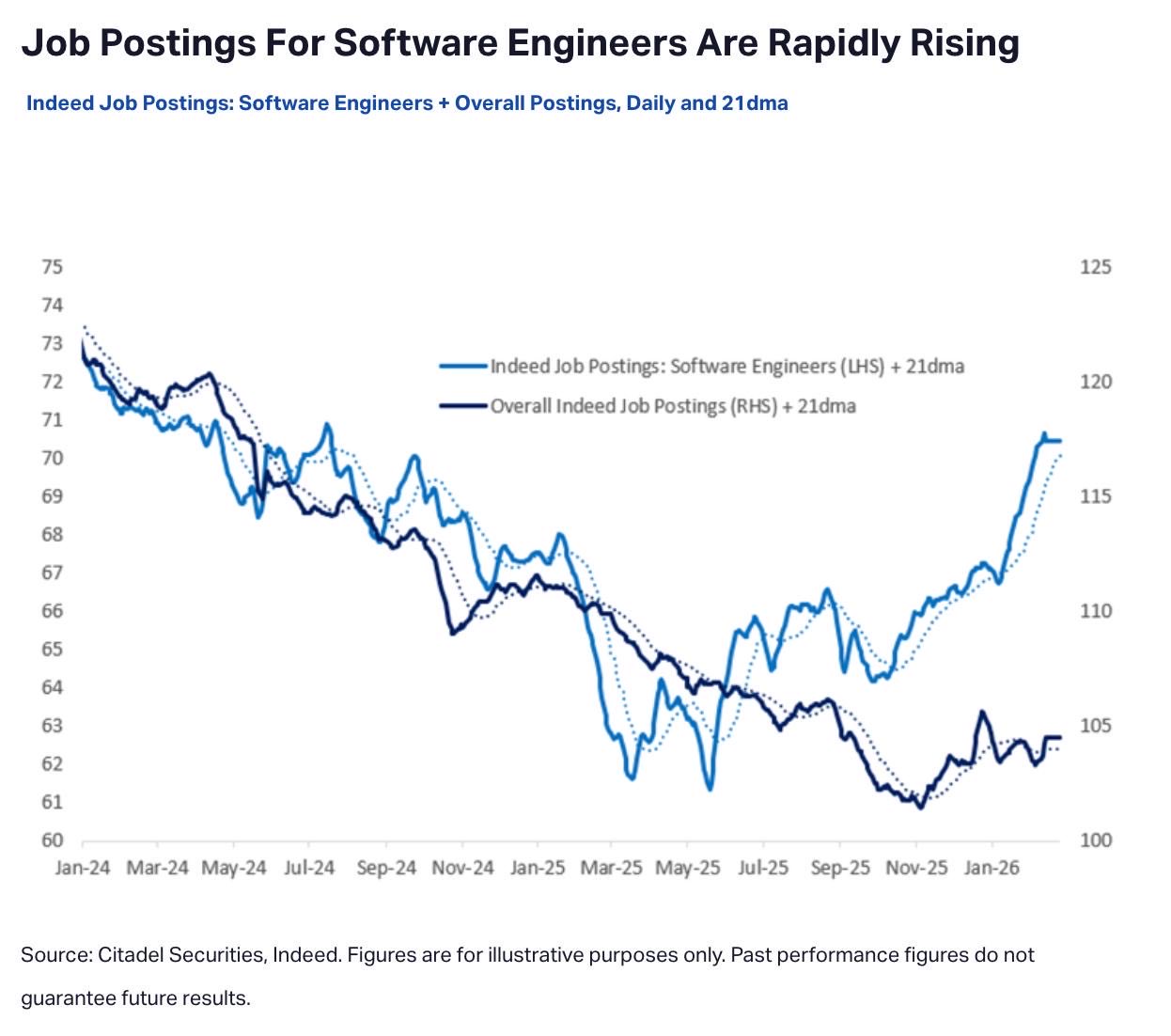
JavaScript developer reading a viral Indeed and Citadel Securities chart showing software engineer job postings rising in 2026 while frustrated developers in the LinkedIn comments explain why the chart does not match their actual job search experience
Last Tuesday I was reviewing a job posting on jsgurujobs.com from a US-based fintech. Senior frontend engineer. React, TypeScript, Next.js, Tailwind. Salary disclosed at $180K to $220K. Standard senior frontend stack and a real salary range. The kind of posting I would normally approve in two minutes.
Last week I was reviewing a job posting on jsgurujobs.com from a fintech company in Berlin. Standard senior frontend role. React, TypeScript, Node.js backend, JWT authentication, Redis sessions, PostgreSQL with TLS to a managed cloud database. Salary was in the high range. Real money, real users, real transactions.
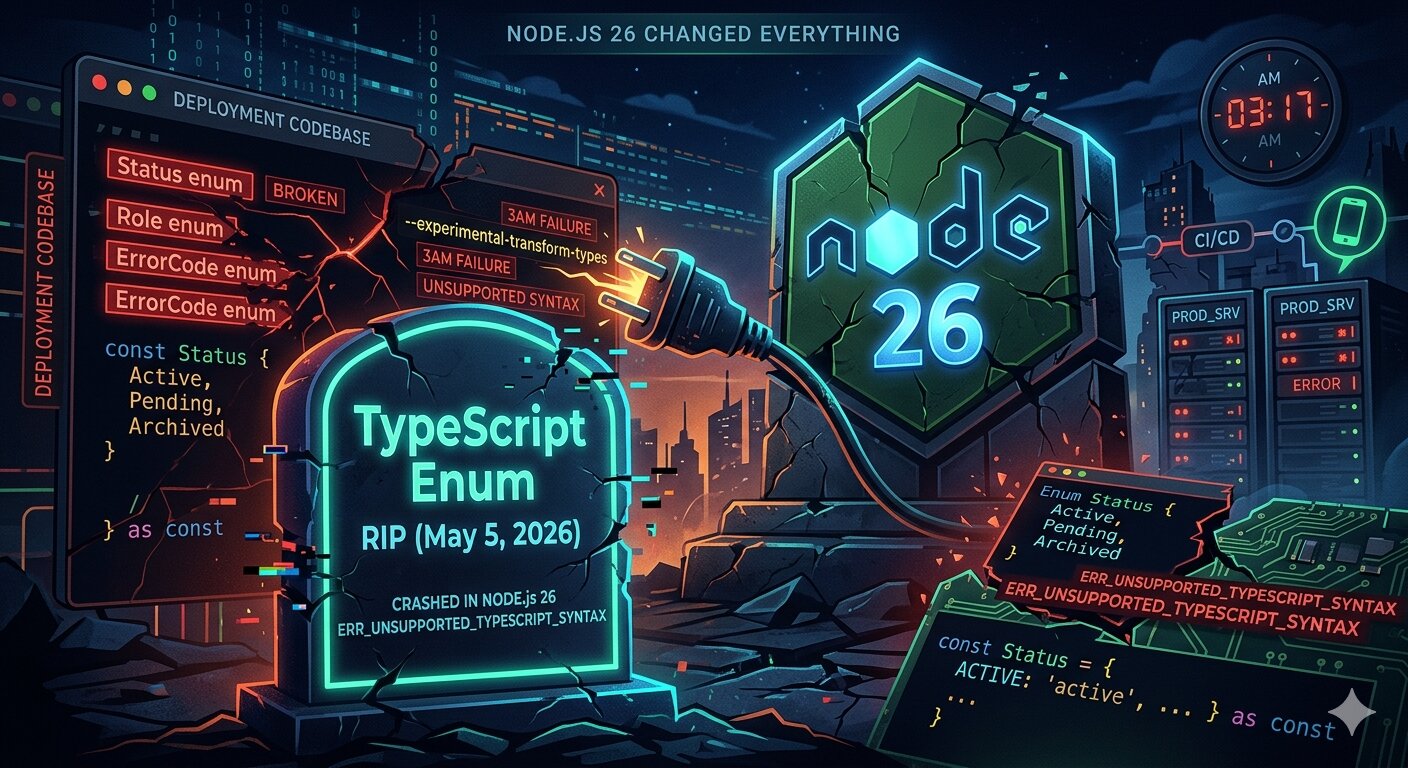
A developer messaged me on Tuesday morning asking why his deploy was broken. He had just upgraded a small internal tool to Node.js 26 the same day the release dropped. Local tests passed. CI passed. The container built. Then the service refused to start in production with an error nobody on his team had ever seen before.
It is 3 AM. A senior engineer at a Series B startup is staring at a codebase that does not work anymore. Three months ago this system shipped features twice as fast as competitors. The team used Claude Code aggressively.
I run jsgurujobs.com. The site has 430+ JavaScript job listings, 115+ blog posts, a newsletter with 4,200 subscribers, and a Telegram channel.
I checked my job board this morning before writing this. Of the 430 active JavaScript listings, I counted the ones explicitly looking for junior or entry-level developers. There were nine. Less than three percent. A year ago that number was around twenty-five. Two years ago it was closer to sixty.
Last month I hit my Claude usage limit at 2 PM on a Tuesday. I was in the middle of debugging a WebSocket connection in a Next.js application, and the conversation was getting long. The context window was full of code, error logs, and back-and-forth about edge cases.
A developer messaged me three weeks ago. He had found a senior React position through my board, went through four rounds of interviews, got the offer, and started working. Everything looked right. The company was real. The salary was good. The tech stack matched the posting. He was excited.
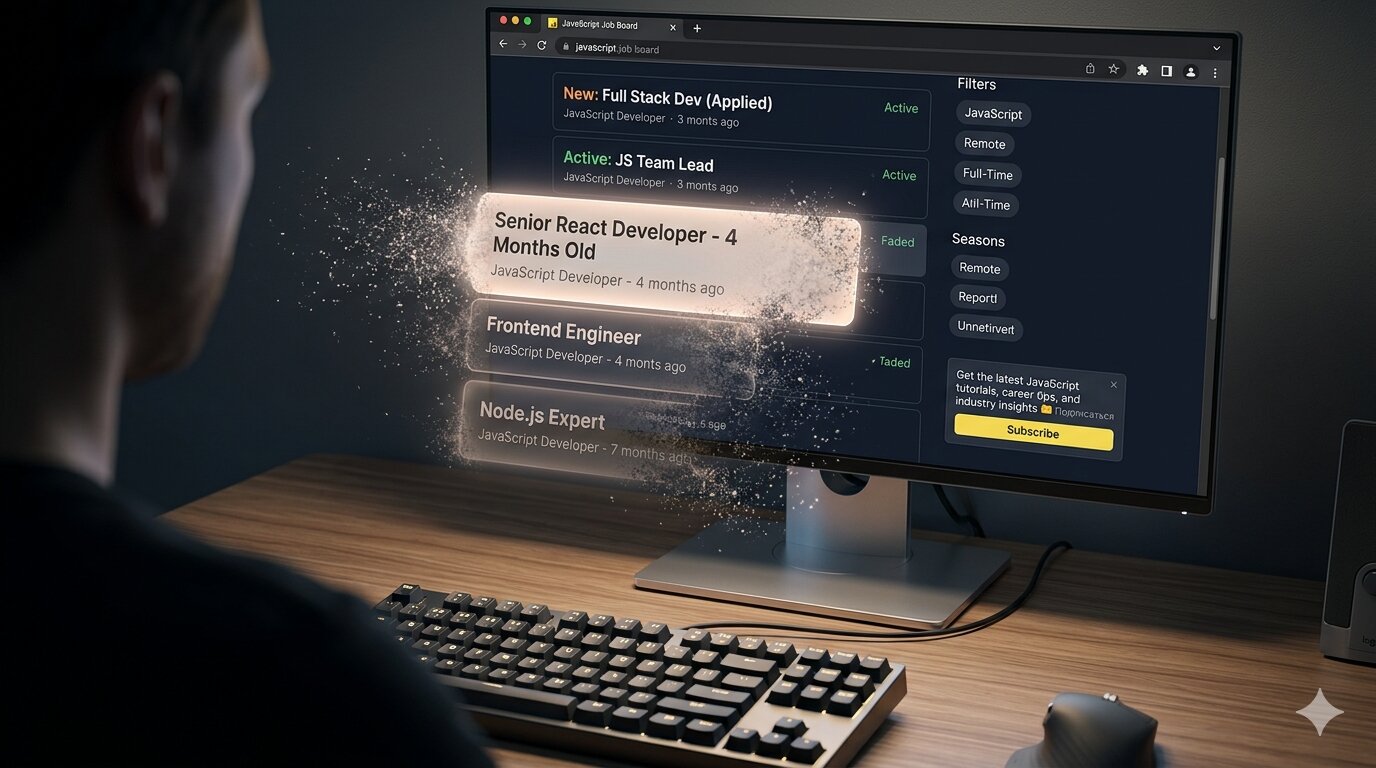
A company posted a senior React position on my board four months ago. I noticed it because the listing stayed active longer than anything else on the platform. Most postings get taken down after 30 to 60 days,
Two weeks ago I opened my job board at 7 AM with my coffee and counted the new remote JavaScript postings that came in overnight. Twenty three of them said "remote" in the title. I went through each one, line by line, looking for the fine print. Here is what I found.
Last Tuesday I was doing my daily review of new postings on jsgurujobs.com and I caught myself doing something I had been doing for weeks without noticing. I was skipping past the first half of almost every job description to find the actual requirements.
Atlassian fired 1,600 people in February 2026 and opened 800 AI Engineer positions the same week. The salaries on the new roles were 40 percent higher than what the fired engineers were making.
I have watched hundreds of JavaScript developers fail the same interview question for the last three years. The question is not hard. The question is some variation of "explain closures.
A senior React developer with 8 years of experience walked into his manager's office in March 2026 and quit. No new job lined up. No startup he was joining. No grand plan to launch a product or move to another country.
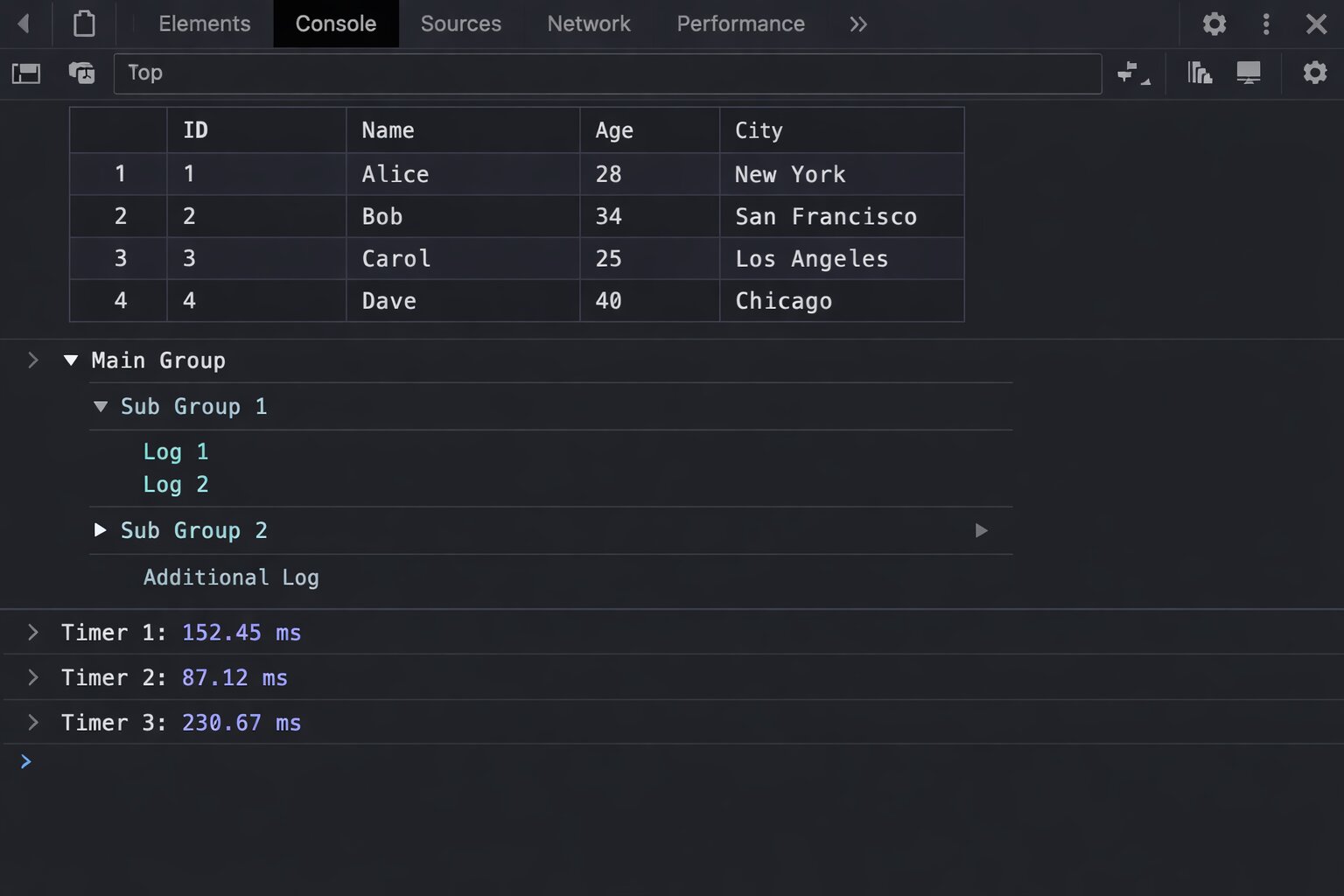
Every JavaScript developer knows console.log. It is the first debugging tool you learn and, for most developers, the last one you ever use. I watched a senior developer last month debug a performance issue by adding 47 console.log statements across 12 files, scrolling through hundreds of lines of terminal output, trying to find the one log that showed where the bottleneck was. I
I reviewed a pull request last week that had 47 files changed, 2,300 lines added, and a description that said "refactored user module." It took me 3 hours to review. I found 14 issues. The developer spent another day fixing them.
A team I talked to last month spent three weeks evaluating state management libraries. They compared Redux Toolkit, Zustand, Jotai, Valtio, and Recoil. They built proof-of-concept implementations in each.
I opened a codebase last month that had 47 files in the root src/ directory. Components, utilities, hooks, types, API calls, constants, and test files all living in one flat folder. The developer who built it said "I will organize it later." That was 8 months ago.
Axios has been compromised. Not a vulnerability. Not a bug. A full supply chain attack. On March 30, 2026, an attacker hijacked the npm account of a lead Axios maintainer, published two poisoned versions (axios@1.14.1 and axios@0.30.4), and injected a cross-platform Remote Access Trojan that targets macOS, Windows, and Linux
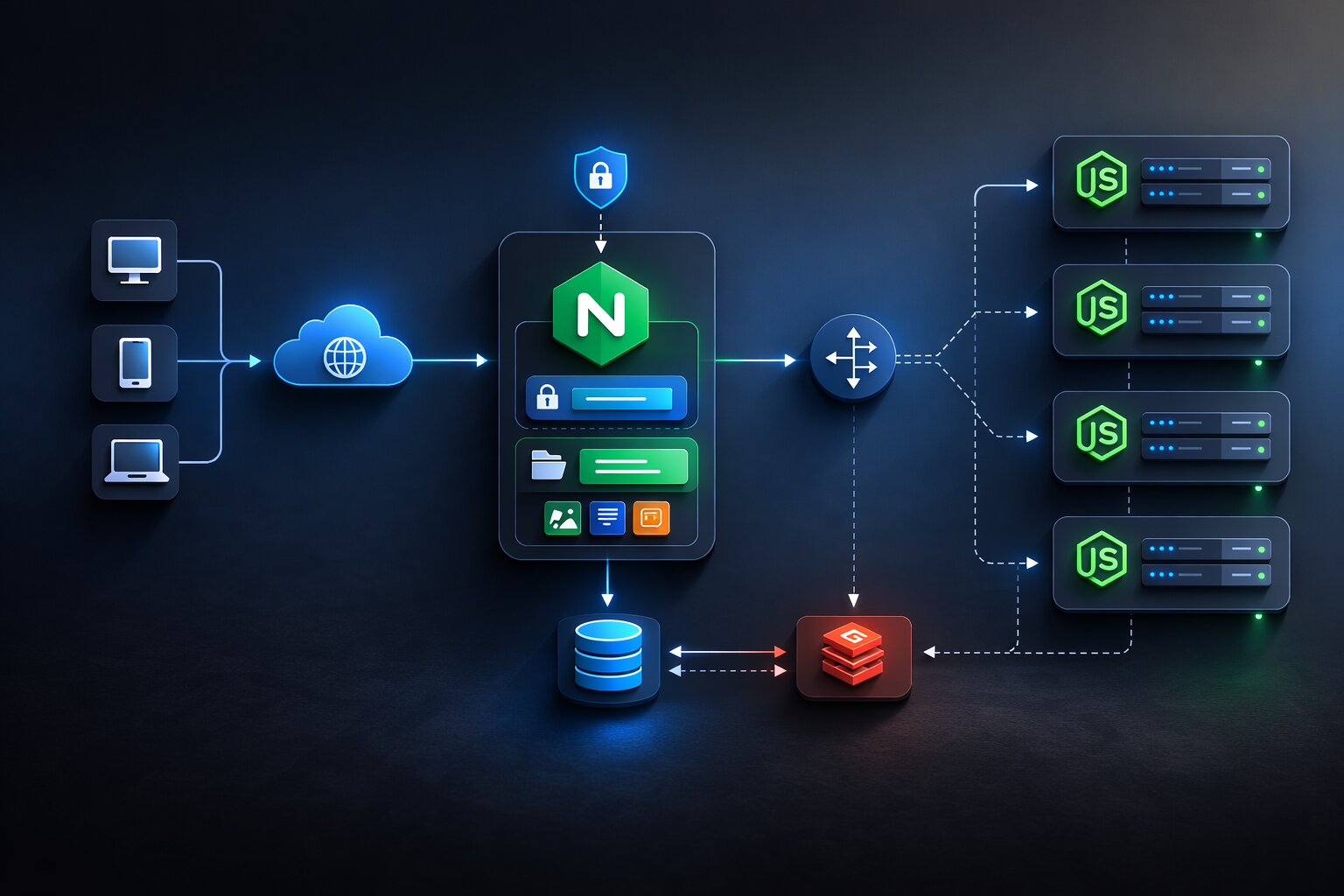
Every JavaScript developer can run npm run dev. Far fewer can take that same application and put it on the internet where real users access it with real traffic, real HTTPS certificates, and real uptime requirements. I see this gap constantly on jsgurujobs.com.
A developer on my team spent two days debugging a React component that "randomly" showed stale data after a form submission. The component called an API, updated the database, and then read the updated value. Sometimes it worked.
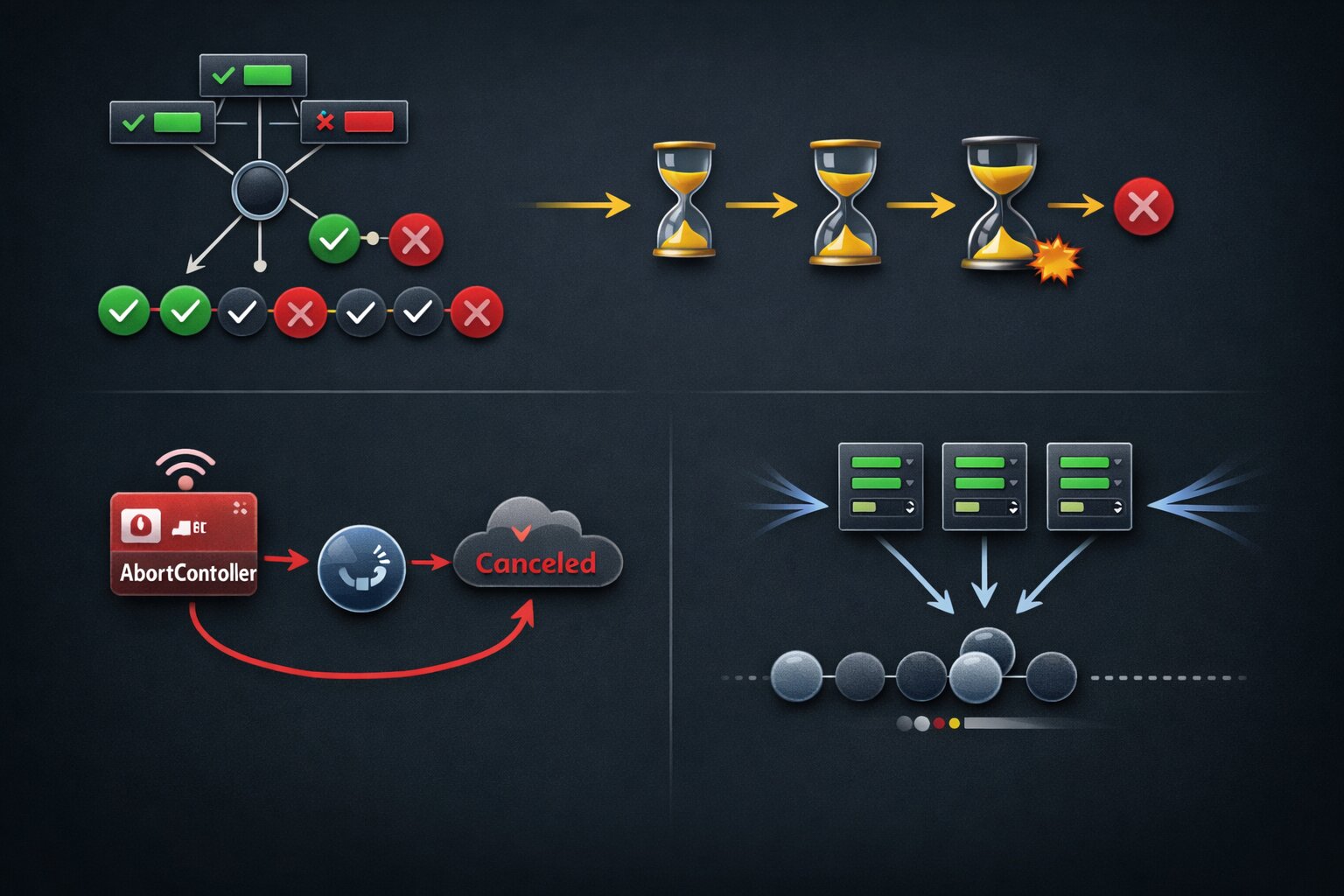
Every JavaScript tutorial teaches you how to use async/await. None of them teach you what happens when three API calls fail simultaneously, a user navigates away mid-fetch, the database connection drops for 200 milliseconds, and your error handler catches a generic
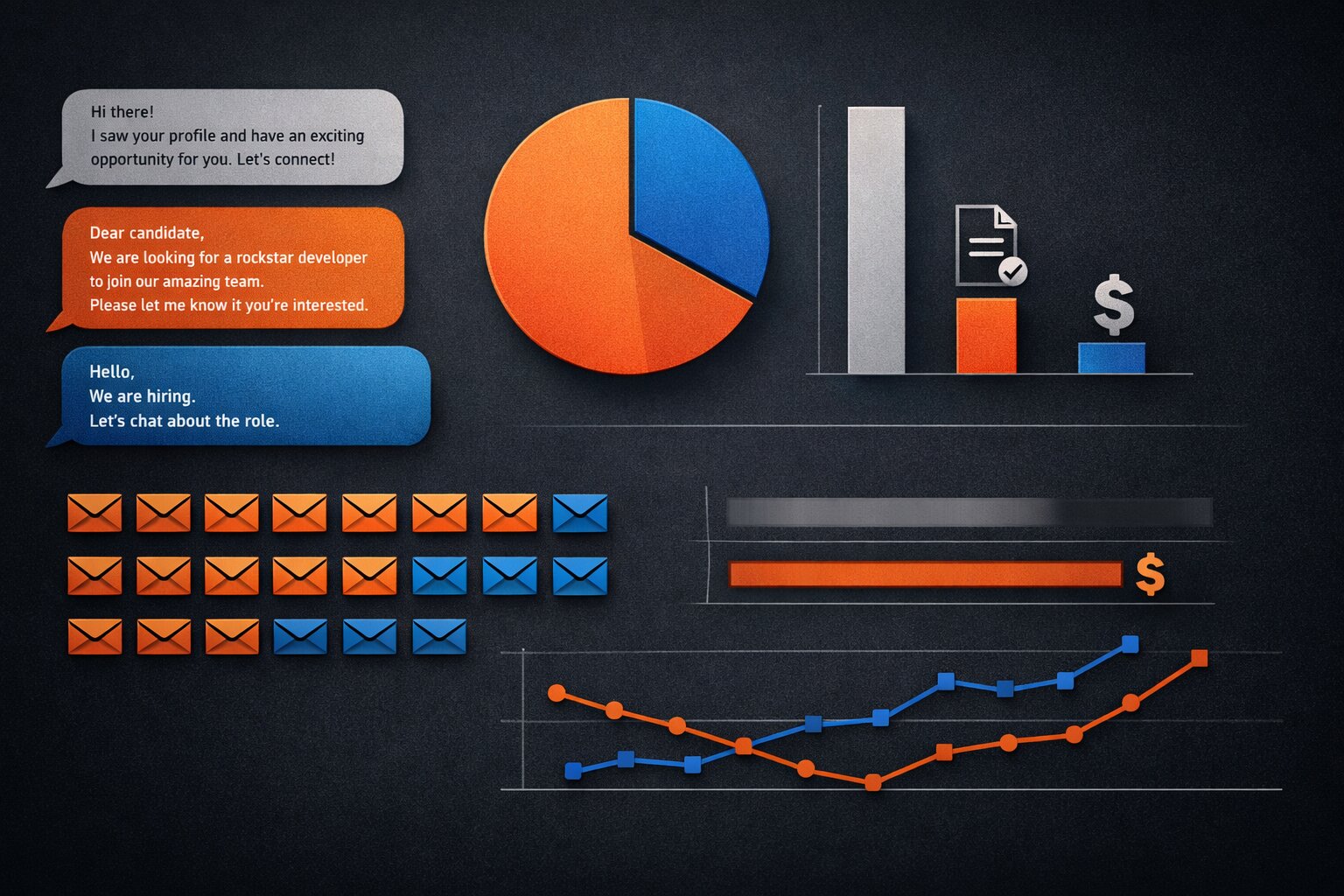
I have reviewed hundreds of messages from JavaScript developers on LinkedIn this year. The pattern that stands out most is not their technical skills. It is their inability to describe what they do in a way that makes someone want to hear more.
TypeScript 6.0 shipped on March 23, 2026. The announcement post from Daniel Rosenwasser got 5,340 likes, 962 reposts, and 369,000 views on X within 48 hours. That is more engagement than most JavaScript framework releases get in an entire month. But the hype is not about TypeScript 6.0 itself. The hype is about what comes after it.
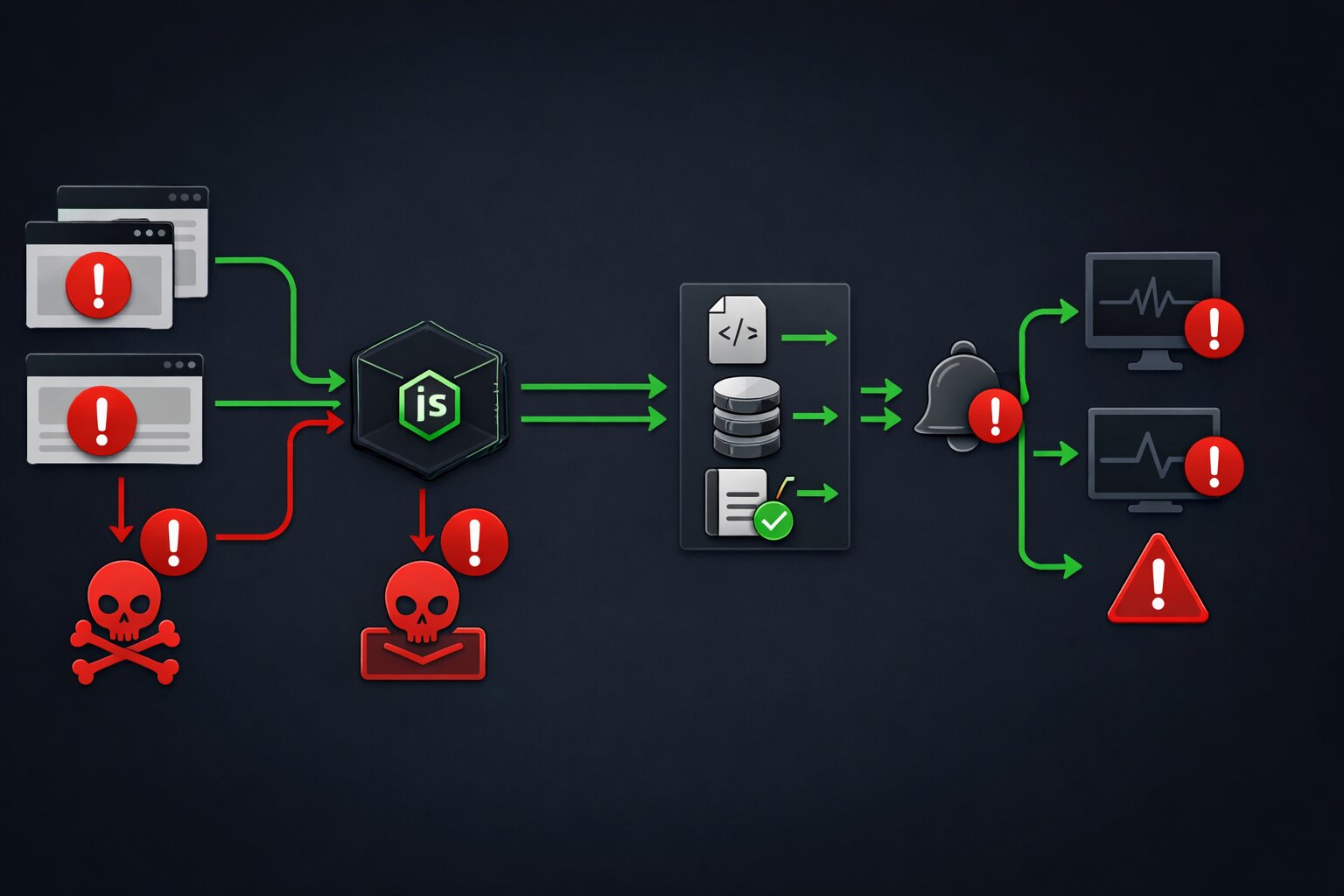
Last month a single unhandled Promise rejection took down the checkout flow on a production e-commerce application for 47 minutes. The error was a network timeout calling a payment API.
If I could rewrite every template message I have received into one message that represents the perfect outreach, it would look like this:
Every JavaScript developer learns how to write code. Nobody teaches how to read it. This is a problem because reading code is 80% of the job. A senior developer at any company spends most of their day reading pull requests, navigating unfamiliar modules, tracing data flow through components, and understanding code written by people who left the company two years ago.
If you are running a Next.js application with the App Router and React 19, stop and check your version right now. CVE-2025-55182, rated CVSS 10.0, allows unauthenticated remote code execution on any server running unpatched Next.js with React Server Components
A study from Harvard Business Review published this month found that developers using AI coding tools shipped 41% more code per week. The same study found they worked 35% longer hours. They did not become more productive.
I analyzed every job posting on jsgurujobs.com this week. Not a survey. Not a sample. Every single one of the 415 active JavaScript job listings in our database, scraped from company career pages, parsed for technologies, salaries, locations, and requirements. The results contradict most of the career advice you see on Twitter.
There are over 8,600 MCP servers built by the community as of March 2026. Twelve months ago that number was close to zero. The Model Context Protocol, originally released by Anthropic in November 2024, has been adopted by Claude, ChatGPT, Cursor, Windsurf, VS Code Copilot, JetBrains IDEs, and dozens of other AI tools.
The developer who got promoted to senior at my last company did not write the best code. He was not the fastest. He did not know the most frameworks. He got promoted because when a product manager asked "how long will this take?"
The European Accessibility Act took effect on June 28, 2025. Every digital product sold or used in the European Union must now meet WCAG 2.1 AA standards or face fines. The United States saw a record 4,605 web accessibility lawsuits filed in 2024, up 14% from the year before. Target paid $6 million.
A developer with no computer science degree, no Big Tech experience, and no professional references got hired as a senior engineer at a well-funded startup last month. His resume was thin. His interview was average.
Every JavaScript developer can build a React frontend and a Node.js API. Far fewer can explain what happens between a user typing your domain name and your application responding.
Six hundred applications. That's the number one recruiter posted on X in March 2026 after opening a single JavaScript developer position at a mid-size startup. The role had been live for 72 hours. The company was offering $130K, remote-friendly, interesting product. And 600 people had already applied.
LinkedIn just named AI Engineer the fastest-growing job title of 2026. Not prompt engineer. Not ML researcher. AI Engineer. The role that sits exactly at the intersection of software development and artificial intelligence, the one that JavaScript developers are uniquely positioned to fill, and the one that's currently paying $150K to $200K at companies that were offering $90K for senior React developers eighteen months ago.
A post went viral on March 10, 2026. An 18-year senior software developer, someone who had shipped production systems before most of today's junior developers were in high school, was working at McDonald's.
I run a job board with 404 active listings, 3,000 registered developers, and zero caching. Every time someone loads the jobs page, the application queries PostgreSQL, joins the companies table, filters by location and tags, sorts by date, and returns the results. Every single page load. Every single time.
Entry-level tech job postings dropped 73% in one year. Block fired 40% of its engineers. Amazon replaced 2,847 Prime Video developers with AI and offshore teams. Oracle is planning 20,000 to 30,000 cuts to fund AI data centers. Every headline in March 2026 says the same thing: AI is killing developer jobs, starting with the juniors.
Every week I review job postings on jsgurujobs.com, and the pattern is impossible to ignore. Two JavaScript developer roles with identical React and Node.js requirements.
A computer science graduate from Carnegie Mellon applied to 1,200 entry-level developer positions in 2026. Zero offers. He is now applying to Starbucks. This is not a random failure.
Every JavaScript developer eventually faces the same question. You are starting a new project, you have your Next.js frontend ready, your API layer designed, and then you hit the database decision. PostgreSQL or MongoDB. Relational or document. SQL or NoSQL. And the internet gives you the worst possible advice: "it depends."
A Stanford CS graduate applied to 847 positions this year and got zero offers. That story went viral on X last week, and the comments split into two camps.
The average JavaScript team in 2026 maintains between 3 and 12 packages. A React frontend, a Node.js API, a shared component library, maybe a mobile app with React Native, a CLI tool, and a handful of utility packages.
A survey published in the first week of March 2026 found that 55% of hiring managers in the United States expect their companies to conduct layoffs this year. Of those, 44% pointed directly at AI as the primary driver. Not budget cuts. Not recession fears. AI.
67% of senior JavaScript developer job postings on major platforms now list CI/CD experience as a requirement. Not a nice-to-have. A requirement. Two years ago that number was closer to 40%. The shift happened quietly while most frontend developers were focused on frameworks and state management.
Most developers think WebSockets are solved technology. They learned the API in a tutorial five years ago, built a chat demo, and moved on. Then they get hired at a company with 50,000 concurrent users and discover that everything they know stops working around the 10,000 connection mark. The demo worked. Production doesn't.
I reviewed 340 senior JavaScript developer interviews over the last six months on jsgurujobs.com. The pattern that kept appearing was not about frameworks or syntax. It was about design patterns.
A React web developer with three years of experience averages $135,000 in remote job listings right now. A React developer who also lists React Native on their resume averages $168,000.
The number that should make every JavaScript developer uncomfortable right now is 45,000. That is how many tech workers have been laid off in 2026 so far, roughly 793 per day according to current tracking data.
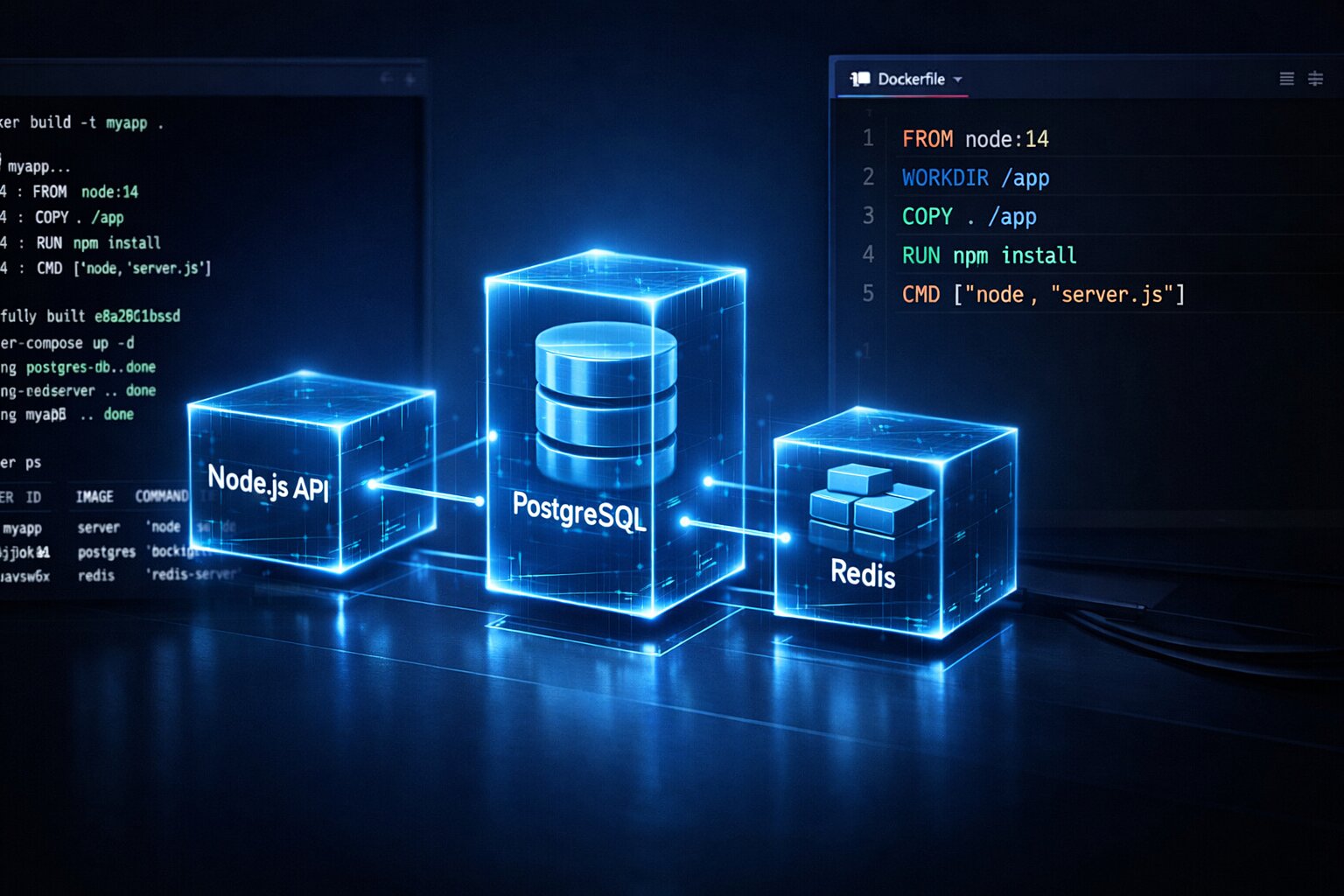
Entry-level JavaScript hiring is down 60% compared to two years ago. Companies are not posting fewer jobs because the work disappeared. They are posting fewer junior and mid-level roles because they now expect the people they hire to cover more ground. And one of the first places that gap shows up in interviews, in take-home assignments, and in day-to-day team work is infrastructure. Specifically: Docker.
Google stopped allowing password-only sign-ins for sensitive account actions in late 2025. Apple made passkeys the default authentication method for new iCloud accounts. GitHub now shows a passkey prompt before the password field on every login page.
GraphQL was supposed to kill REST. That was the narrative in 2019 when every startup and their investor was convinced that REST APIs were legacy technology. Seven years later, REST handles more traffic than ever. G
Something shifted in React interviews over the last twelve months and most developers are still preparing for the wrong test. They grind LeetCode. They memorize hook APIs. They rehearse answers about the virtual DOM that interviewers stopped caring about two years ago. Then they wonder why they are sending out 200 applications and hearing nothing back.
Prisma 7 shipped in January 2026 with the most dramatic architectural change in the project's history. The Rust engine that powered every query for the last five years is gone. The entire client is now pure TypeScript. Bundle size dropped 90%.
For thirty years, JavaScript developers have been fighting the same battle. The built in Date object is broken. Everyone knows it. Months are zero indexed so January is 0 and December is 11. There is no built in way to work with time zones properly. Parsing dates from strings is inconsistent across browsers. Mutating a Date object changes the original instead of creating a new one, which causes bugs that take hours to find.
Tailwind Labs fired 75 percent of their engineering team in January 2026. The company that builds the most popular utility CSS framework in the JavaScript ecosystem cut three quarters of its engineers, citing the "brutal impact of AI" on development workflows.
I reviewed six AI generated codebases last month. Four had IDOR vulnerabilities that let any authenticated user access any other user's data by changing an ID in the URL. Three had no rate limiting on authentication endpoints.
A developer named Marcus shipped a complete SaaS product in February 2026. User authentication, Stripe payment processing, a real time dashboard, an admin panel, email notifications, a landing page with SEO optimization, and automated deployment to production. The entire application handles paying customers, processes real money, and runs without a dedicated ops team.
Next.js now powers over 900,000 live websites. Vercel reported a 47 percent year over year increase in deployments in 2025. The framework has more weekly npm downloads than React Router, Gatsby, Remix, and Astro combined.
TypeScript officially surpassed JavaScript in new GitHub repository creation in late 2025. Not in overall usage, JavaScript still runs the world, but every new professional React project I have seen in the last twelve months starts with TypeScript. It is no longer a preference. It is the baseline expectation.
A single developer shipped a complete SaaS application in eleven days last month. Authentication, payments, dashboard, admin panel, API integrations, responsive design, deployment. The kind of product that would have taken a five person team two to three months in 2023. He did it by describing features in plain English and letting AI write virtually all of the code.
Every React developer has had that moment. You build a feature, it works perfectly in development, you deploy it, and then someone on the team opens the performance tab in Chrome DevTools.
There is a conversation happening right now in every frontend team, every JavaScript Discord server, and every developer subreddit. It sounds different depending on who is talking, but the core question is the same. Is frontend development dying?
Let me tell you something that most career advice articles will not say out loud. The traditional path to becoming a JavaScript developer is broken. Not struggling. Not challenging. Broken.
There is a strange contradiction happening in JavaScript development right now. Developers are writing less code than ever and working harder than ever. That does not make sense until you understand what the job has actually become.
Every week, another AI tool ships that can write React components, generate API routes, and scaffold entire applications in seconds. Claude builds workflows. Copilot autocompletes your functions. Cursor rewrites your files. And yet, the developers earning $250K+ are not worried. Not even a little.
Last week I reviewed a portfolio from a developer with twelve GitHub repositories. Todo apps, weather apps, calculator apps, clones of popular websites. Each one had a README that said "built with React" and nothing else. The code worked. The projects were complete. I closed the tab after thirty seconds.
Three years ago, I got promoted to mid-level developer. I felt like I had made it. Good salary. Interesting projects. Respect from colleagues who used to review my code and now asked for my opinions.

Reading through those applications was brutal. Hundreds of qualified developers, all wanting the same thing: a remote position that lets them work from anywhere while earning competitive compensation. Most of them would never hear back. Not because they were bad developers, but because there is no way to meaningfully evaluate 847 people.
Every senior developer I know has a story about a document that changed everything. A well-written RFC that convinced leadership to rebuild the entire authentication system. A tech spec that aligned five teams who had been arguing for months. An ADR that saved the next developer from making a catastrophic mistake.
You just finished your JavaScript interview. You answered the coding question. You talked about your experience. You asked some questions at the end. The interviewer smiled and said "We'll be in touch."
The production app is broken. Users are complaining. Your manager is asking for updates every fifteen minutes. Everyone is looking at you.
The worst part was that I knew better. I had been a developer for years. I had read all the articles about multiplying your estimates. I understood that software is unpredictable. And I still gave an estimate that was off by a factor of six.

Code review is where reputations are built and destroyed. It is where junior developers prove they can think critically and where senior developers demonstrate they can teach without condescension. It is where technical decisions get challenged, improved, or validated. And it is where most developers get almost no formal training.
Junior developer positions have dropped between 35 and 73 percent compared to two years ago. Over 50 percent of job postings now require AI skills that did not exist in job descriptions eighteen months ago. Companies that laid off thousands of engineers are quietly rehiring, but they are hiring different people with different skills than the ones they let go.
Last week Amazon announced 16,000 corporate layoffs. This was their second wave in three months, bringing total cuts to roughly 10 percent of their corporate workforce. The same week, Intel confirmed 24,000 job cuts, representing 20 percent of their entire staff. Meta added another 1,500 to the pile, explicitly citing their pivot to AI as the reason.
Something happened last week that changes everything for developers building voice applications. Two major open source releases dropped within days of each other, and the implications are massive.
You got the offer. You negotiated the salary. You signed the contract. After weeks or months of job hunting, interviews, and waiting, you finally have a start date. Congratulations. The hard part is over.


The email arrived at 9:47 AM on a Tuesday. It was from HR, not my manager, and the subject line was simply "Meeting Request." I knew what it meant before I even opened it. Twenty minutes later, I was sitting in a conference room listening to words that felt like they were coming from underwater. "Position eliminated." "Business restructuring." "Not a reflection of your performance."

If you are a junior JavaScript developer in 2026, you have probably lost sleep over this question. Every week brings another headline about AI writing code, another tech CEO predicting the end of entry level programming jobs, another LinkedIn post from someone declaring that learning to code is pointless now.

Every JavaScript developer faces this decision at some point. You have built up your skills in React, Node.js, TypeScript, and modern frameworks. You have shipped products and solved real problems. Now comes the question that keeps appearing in every career conversation, every salary negotiation, and every late night scroll through job boards.
The application grows. Components multiply. State becomes scattered across useState hooks like breadcrumbs through a forest. Props drill down through five, six, seven layers of components. Someone suggests lifting state up, and suddenly the top level component has thirty pieces of state that have nothing to do with each other.
A senior developer at a Fortune 500 company recently shared his story on a programming forum. He was 31 years old with a decade of experience, great performance reviews, and a salary most would envy. And he was about to quit programming entirely. Not because he couldn't code anymore. Not because the industry changed. Not because the money wasn't good enough.
The JavaScript runtime wars have reached a turning point. For over fifteen years, Node.js stood alone as the undisputed king of server side JavaScript. Developers never questioned their runtime choice because there was no choice to make. You wanted to run JavaScript outside the browser, you used Node.js. Period.
Testing knowledge separates JavaScript developers who advance to senior positions from those who remain stuck at mid-level despite years of experience. Technical interviews at competitive companies include dedicated testing questions that filter candidates effectively regardless of their other skills. A developer who confidently explains testing strategies, writes clean test code, and demonstrates understanding of when to use different testing approaches moves forward while equally talented developers without testing knowledge get rejected or downleveled to positions paying $20,000 to $40,000 less annually.
Making a career transition into software development represents one of the most financially and professionally rewarding decisions available in 2026, but the path involves far more difficulty and time investment than coding bootcamp marketing materials suggest. The industry desperately needs developers, creating genuine opportunity for career changers willing to invest 12 to 18 months of focused effort. However, the romanticized vision of learning to code in three months and landing a six-figure job bears little resemblance to the actual experience most successful career changers report.
The majority of JavaScript developers waste 80% of their job search time on activities that produce less than 5% of their results. They submit hundreds of applications through company websites, carefully customizing each resume and cover letter, then wait for responses that rarely come. This grinding process demoralizes capable developers who assume their skills are inadequate when the real problem is their job search strategy.
The gap between freelance JavaScript developers earning $50 per hour and those commanding $200 per hour rarely reflects technical skill differences alone. Developers at both ends of this spectrum often possess similar coding abilities, know the same frameworks, and deliver comparable quality work. The dramatic rate difference comes from positioning, client selection, pricing psychology, and systematic business practices that separate hobbyist freelancers from professional consultants.
Performance optimization separates JavaScript developers who command premium salaries from those stuck at average compensation. Companies pay significantly more for developers who can identify and fix performance bottlenecks because slow applications directly impact revenue through abandoned shopping carts, reduced engagement, and poor search rankings. A developer who can improve page load time from four seconds to under two seconds creates measurable business value that justifies higher compensation.
Most JavaScript developers leave tens of thousands of dollars on the table by accepting first offers without negotiation. The reluctance to negotiate stems from discomfort with confrontation, fear of losing the offer, or simply not knowing how to approach the conversation. However, companies expect negotiation and build flexibility into initial offers specifically to accommodate counter-offers. The developer who accepts immediately signals either desperation or lack of market awareness.
Most JavaScript developers treat LinkedIn as an online resume they update once a year when job hunting. This passive approach misses the platform's primary value in 2026. LinkedIn functions as a search engine where recruiters and hiring managers actively look for candidates matching specific criteria. Your profile either appears in their searches or it doesn't. The difference between appearing consistently versus rarely determines whether you receive multiple messages weekly or crickets for months.
The JavaScript developer interview process in 2026 has evolved into a multi-stage evaluation that tests far more than coding ability. Companies now assess system design thinking, architectural decisions, behavioral competencies, and cultural fit alongside technical skills. A developer who aces the coding challenge but struggles with system design questions or behavioral interviews rarely receives offers at competitive companies.
The brutal reality of job applications in 2026 is that 75% of resumes never reach human eyes. Applicant Tracking Systems filter them out automatically based on keyword matching, formatting issues, or arbitrary scoring algorithms. A talented JavaScript developer with five years of experience might get rejected by software before any recruiter sees their qualifications.
The engineering manager role represents one of the most misunderstood career transitions in technology. Most senior developers imagine management as their current job plus some meetings and performance reviews. This fundamental misconception leads to painful surprises when talented engineers accept management positions and discover they've entered an entirely different profession.
When I first heard about the Staff Engineer position at a friend's company, I assumed it was just a fancy title for a senior developer who'd been around longer. I was completely wrong. Six months into my Staff role, I realized I'd fundamentally misunderstood what this position actually entails and why companies suddenly started creating these roles everywhere.
I spent three years stuck at the mid-level developer plateau earning $95,000 while watching colleagues with similar technical skills jump to $180,000 senior positions. The frustration of being passed over for promotions while delivering solid code pushed me to figure out what I was missing. The answer wasn't what I expected.
Choosing the wrong AI agent framework costs you weeks of refactoring and thousands of dollars in wasted development time. I learned this the hard way after building my first production agent with a tool that couldn't scale beyond the initial demo. Three months later, I rewrote everything from scratch using a different framework.
The explosion of artificial intelligence has created an unprecedented opportunity for developers who want to build sustainable side income. While everyone talks about AI replacing jobs, smart developers are capitalizing on the opposite trend: businesses desperately need custom AI solutions but lack the expertise to build them. This gap represents a genuine path to earning $15,000 or more per month without quitting your day job.
The global developer shortage that companies hoped would resolve through economic corrections and layoffs instead intensified dramatically in 2026, creating a crisis 40% worse than 2025 according to multiple labor market analyses. The United States alone faces a 1.2 million software developer deficit by year end, while demand accelerates faster than new developers enter the workforce. Three converging forces created this perfect storm that's reshaping compensation and career trajectories: AI and machine learning expansion tripled demand for developers who can implement generative AI features and integrate language models into existing applications,
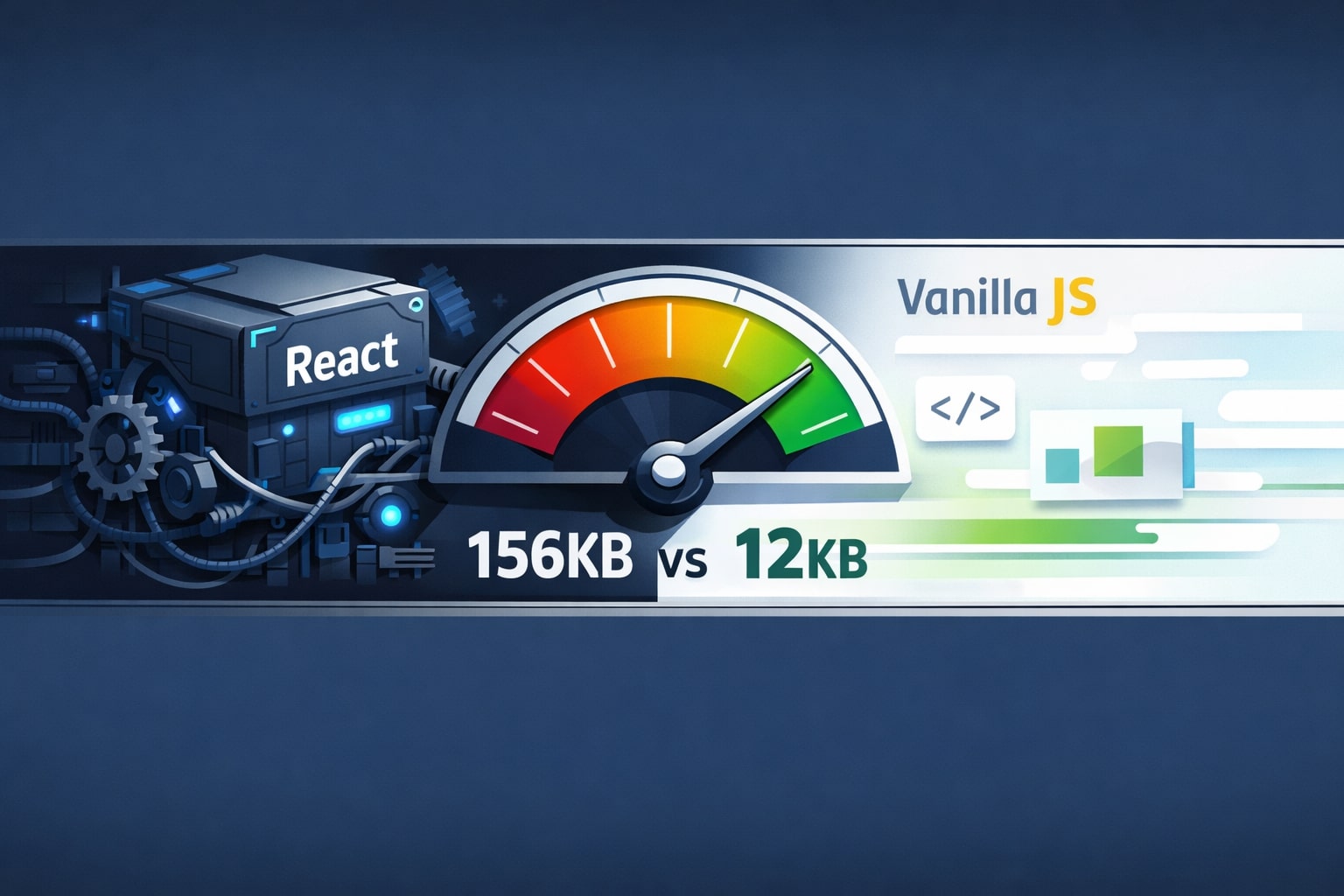
The New Stack's December 2025 analysis identified the year's biggest web development paradox: AI coding assistants that promise to make developers more productive systematically default to React and Next.js regardless of project requirements, creating performance problems developers didn't ask for and wouldn't choose manually. Addy Osmani from Google documented after a year analyzing AI coding behavior that models "know" React better than any other framework because training data contains millions more React examples than alternatives. Ask Claude, ChatGPT, or Copilot to build a simple interactive component and watch it scaffold a full React application with 156KB of framework overhead when vanilla JavaScript with Web Components would deliver identical functionality in 12KB.
Stack Overflow's 2025 Developer Survey of 49,000 developers documents the tipping point where TypeScript transformed from optional enhancement to mandatory requirement. Sixty-nine percent of developers now use TypeScript for large-scale web applications, representing a 15% annual growth rate that shows no signs of slowing. The adoption data tells a more dramatic story when you examine who's actually hiring: 97% of developers recommend TypeScript according to the survey, and GitHub data reveals TypeScript overtook both Python and JavaScript as the number one language by contributor count in August 2025.
Evan You, creator of Vue and Vite, unveiled Vite+ at ViteConf 2025 in Amsterdam, marking the first unified JavaScript toolchain that actually works in production. After raising $4.6 million in seed funding led by Accel, VoidZero assembled creators and core contributors from Vite, Vitest, Oxc, and Rspack to build what Rome failed to deliver: a single CLI replacing webpack, Babel, ESLint, Prettier, Jest, and half a dozen other tools that every modern JavaScript project requires.
GitHub's Octoverse 2024 and 2025 reports document a historic shift that JavaScript developers need to understand correctly. Python briefly overtook JavaScript in late 2024 after a decade of JS dominance, driven by a 59% surge in AI and data science projects. But here's what the headlines miss: by August 2025, TypeScript, JavaScript's typed superset, reclaimed the number one position, surpassing both Python and JavaScript. This isn't JavaScript losing ground. This is JavaScript evolving and fragmenting its ecosystem in ways that make simple language rankings misleading. JavaScript still dominates code pushes, npm grew 15% year-over-year to over 2 million packages, and the combined JavaScript plus TypeScript ecosystem accounts for more total development activity than any other language family.
Stack Overflow's 2025 survey of 49,000 developers reveals a widening trust gap that should alarm every CTO in the industry. While 84% of developers now use AI coding tools daily or weekly, nearly half don't trust the output's accuracy, security, or reliability. This represents a 15-percentage-point increase in distrust from just one year ago despite AI tools becoming more sophisticated.
The framework era is ending. By 2026, 18% of all web page loads already contain Web Components according to Google's Chrome Platform Status, while developers are rediscovering that vanilla JavaScript paired with native browser APIs delivers faster performance and smaller bundle sizes than React ever could. Modern CSS features like container queries, :has(), and view transitions are eliminating entire categories of JavaScript that frameworks once required.
Geographic arbitrage isn't a travel hack, it's a wealth-building strategy that can accelerate your path to financial independence by seven to twelve years. Developers earning $120K in Silicon Valley salaries while living in Bali for $1,800 monthly are building wealth at rates that make traditional career advice look obsolete. Indonesia's new E33G Remote Worker Visa offers up to five years of tax-free living for foreign income earners, while Canggu has become the world's unofficial capital of digital nomadism with fiber optic internet and coworking spaces on every corner.
After spending $500 and three months testing GitHub Copilot, Cursor, Windsurf, and Tabnine across real production projects, the results surprised me. The tool everyone recommends isn't actually the best value. Windsurf's Cascade feature delivered 82% faster multi-file edits than Cursor's Composer. GitHub Copilot's new Pro+ tier at $39/month costs double but doesn't deliver double the value.
The era of monolithic Single Page Applications is over. By 2025, over 60% of enterprises have adopted micro-frontend architecture to escape the scalability nightmare that massive SPAs create. When your bundle hits 5MB and deployment takes 45 minutes because one team changed a button color, you're living in the past. This comprehensive guide reveals why companies like Spotify, IKEA, and Zalando ditched their monolithic frontends,
Three major frameworks released game-changing versions within two months of each other, and the performance results will surprise you. After rebuilding the same production application in Svelte 5, React 19, and Vue 3, the winner isn't who most developers expect. Svelte 5's compiler generates bundles 3x smaller than React 19 and renders 60% faster in real-world scenarios. React 19's Server Components solve important problems but don't actually make your apps faster after initial load.
Five years ago, we thought software development was a guaranteed path to stable, high-paying work. Boot camps promised six-figure salaries after 12 weeks of training. Computer science degrees felt like golden tickets. That world is gone.
The era of abundance for JavaScript developers is over. Algorithms, AI, and unprecedented competition have rewritten the job-seeking rules. Discover why the "apply-and-wait" strategy no longer works, how Open Source became your primary asset, and why securing a remote role now requires proving exceptional maturity.
Dive into the world of AI-oriented IDEs: this review reveals how artificial intelligence is transforming software development, offering a deep analysis of key tools, their unique features, and practical benefits for boosting productivity in the era of intelligent coding.
Forget the outdated 'battle' of SQL vs. NoSQL. In this comprehensive guide, we deeply analyze Relational (SQL) and Non-Relational (NoSQL) databases, covering their key characteristics, advantages, and disadvantages. Learn how to make strategic architectural decisions by choosing the optimal database that perfectly matches your system's unique needs, rather than chasing trends.
Build a powerful portfolio with 5 essential JavaScript job projects that will significantly boost your chances of landing your dream JavaScript role in 2025. Discover exactly what employers are looking for and how to showcase your work effectively.
Sending out resume after resume with no calls back? It's frustrating, but the problem might not be your skills. Discover the 7 unspoken reasons why you're not getting interview invitations, and learn how to fix the subtle signals you're unknowingly sending to employers. This could be the game-changer you've been waiting for.
In 2025, developer salaries reflect a tech industry that’s no longer in hyper-growth but has entered a phase of maturity. This article breaks down real compensation numbers, remote salary trends, and how AI, inflation, and global hiring are reshaping what software developers earn — and what’s next for the job market.
Finding a remote JavaScript developer job in 2025 demands a strategic and thoughtful approach that goes beyond simply sending out a flurry of resumes. To boost your chances in an increasingly competitive landscape, it's crucial to focus on demonstrating your value to potential employers even before you formally apply.
A job interview is a critical stage in your job search that can either open or close doors to your desired company. It's not just about evaluating your technical skills; it's also an opportunity to demonstrate your potential and connect with a potential employer. To succeed, meticulous preparation and the right approach are essential, especially given the specifics of frontend development.
Forget everything you thought you knew about traditional coding. We're on the cusp of a revolution where Artificial Intelligence (AI) promises not just to speed things up, but to radically redefine how we work. Have you ever dreamed of completing tasks twice as fast, or completely eliminating the daily grind of routine? With AI, this is quickly becoming a reality. But don't toss your keyboard just yet—AI won't replace you. Instead, it's set to make you 10 times more productive in the areas that truly matter. Ready to uncover how?
Software developers command impressive technical expertise, yet many find their earnings fall short of their contributions. The tech industry’s rapid evolution offers practical strategies to boost income without sacrificing career fulfillment.
You no longer need perfect English to join an international team. Thanks to Google’s new real-time speech translation in Meet, language is no longer a barrier to working with global companies. Whether you're a senior JavaScript developer or just aiming to break into remote work, this breakthrough opens the door to international opportunities that were once out of reach.
In 2025, front-end development is more competitive than ever. Choosing the right framework for your project can determine its scalability, performance, and developer experience. Three of the most popular options today are Vite, Next.js, and Remix, each excelling in different use cases.
Memory leaks in Node.js applications lead to high memory usage, degraded performance, and crashes. In large-scale production systems, especially those serving thousands of concurrent requests, memory leaks can cause outages and downtime, impacting user experience and increasing infrastructure costs.
In 2025, the competition for entry-level JavaScript developer positions is intense. According to LinkedIn Jobs Insights, over 60% of applicants for junior roles get rejected without an interview because their portfolio doesn't show practical skills or real projects.
Join 20000+ developers getting weekly JavaScript insights delivered to your inbox.